

World Mental Health Day on 10 October reminds us that physical activity, social connection and fun can support mental wellbeing. Swimming, gymnastics, fitness and team sports help build confidence, reduce stress and create meaningful connections for children and adults.
 Why Movement, Friendship and Fun Matter More Than Ever
World Mental Health Day on 10 October is an important reminder that mental health is something we all need to nurture, not just when we're struggling, but every day.
While there is no single solution for good mental health, Australian research continues to show that regular physical activity, social connection and belonging can make a meaningful difference to wellbeing across all ages.¹ ² Sport, swimming, gymnastics, fitness activities and social competitions do more than keep us physically healthy. They help us feel connected, confident and supported.
The Mental Health Challenge Facing Australians
Mental health concerns continue to affect many Australians, particularly young people, highlighting the importance of everyday protective factors that support wellbeing.
While professional support is essential when needed, experts also recognise that strong social relationships, regular movement and participation in community activities can play an important role in supporting positive mental health.¹
Why Movement Is Good for the Mind
Physical activity is well known for its health benefits, but its impact extends far beyond physical fitness.
According to the Australian Sports Commission, sport and physical activity support mental wellbeing by helping people build resilience, maintain relationships, experience enjoyment and feel more connected to their communities.¹
Exercise can also help reduce stress, improve mood and boost overall wellbeing. Swimming, gymnastics, group fitness classes, social sports and recreational activities all provide opportunities to move the body while supporting mental health.³
The key is finding an activity that's enjoyable. When movement feels like fun rather than a chore, people are more likely to stick with it and experience long-term benefits.¹ ²
The Secret Ingredient: Connection
One of the most powerful benefits of sport and recreation isn't just the activity itself. It's the people.
The Australian Sports Commission notes that team-based sport often delivers stronger social and mental health benefits than physical activity alone, because it brings people together, creates a sense of belonging and helps build supportive relationships.¹
Whether it's laughing with teammates after a game, chatting during a group fitness class or catching up poolside after swimming lessons, these social moments matter. They help reduce isolation and strengthen the connections that support good mental health.¹
Why Sport Matters for Children
For children and young people, organised sport can provide a safe environment to learn new skills, build confidence and develop friendships.
Consistent participation in sport during childhood is associated with better mental wellbeing, higher self-esteem, stronger social skills and a greater sense of belonging, with team sports offering particularly strong outcomes thanks to friendship, peer support and shared goals.
This is why activities such as swimming lessons (The Y NSW Aquatics | Swimming Lessons, Swim Squads, Aqua Aerobics | The Y), gymnastics programs (The Y NSW Gymnastics | KinderGym, Preschool, Recreational & Adult Gymnastics Classes | The Y), junior sport, social competitions (The Y Sporting Competitions | Find Your Team | The Y) and recreational classes can play an important role in supporting children's overall wellbeing, not just their physical development.³
Swimming: More Than Learning a Lifelong Skill
Australians have a special relationship with water, and swimming offers benefits that go well beyond safety and fitness.
According to the Royal Life Saving Society Australia, swimming can help alleviate stress, improve mood and support psychological wellbeing. The repetitive movement and breathing involved in swimming can also create a calming, meditative effect that many people find relaxing.³
Swimming environments also create opportunities for social interaction. From learn-to-swim programs and squad training to aqua fitness and recreational swimming, aquatic centres bring together people of all ages and backgrounds.³
Making Mental Health Part of Everyday Life
World Mental Health Day is a valuable reminder that supporting mental health doesn't always start with big changes.
Sometimes it looks like:
Joining a social sports competition with friends
Taking the children to swimming lessons each week
Trying a gymnastics class
Attending a group fitness session
Playing a team sport
Making time for movement and connection after school or work
These activities combine three powerful ingredients for wellbeing: movement, social connection and enjoyment. Australian evidence consistently shows that all three contribute positively to mental health and overall quality of life.¹ ² ³
This World Mental Health Day, Get Moving Together
Mental health is about more than managing challenges. It's also about creating opportunities to thrive.
Whether it's swimming laps, joining a social sports team, trying gymnastics, attending a group fitness class or simply moving with others, every activity is an opportunity to support both physical and mental wellbeing.
This World Mental Health Day, why not make time to move, connect and have fun together? Your mind may thank you for it. 💙
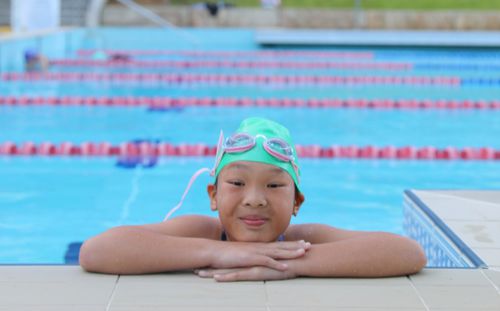 Taking the Plunge: How Nervous Beginners Became Confident Swimmers
Two squad participants from the Y Ku-ring-gai Fitness and Aquatic Centre share how they have overcome their fears, gained confidence, and developed new skills with the guidance of Y NSW swim instructors.
Read the post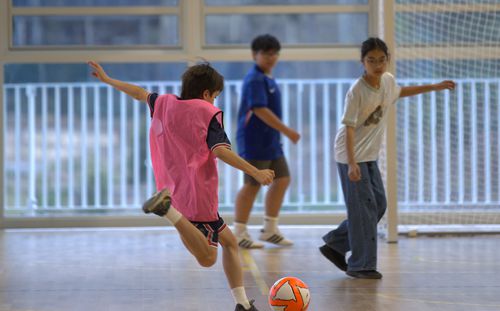 School Holidays: Finding the Perfect Balance Between Rest, Play and Activity
After a busy school term filled with classrooms, homework, sports training, activities and social commitments, school holidays provide something every child needs: a chance to recharge.
Read the post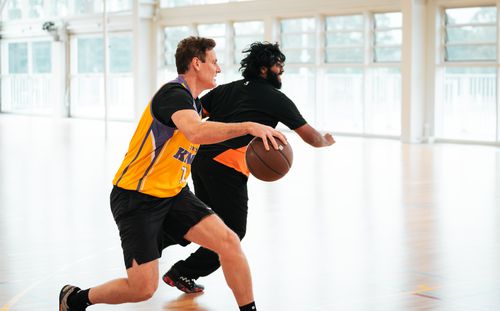 Why Major Sporting Events Matter for the Next Generation
Major sporting events do more than showcase elite competition. They inspire the next generation to get active, build confidence and discover a lifelong love of sport.
Read the postUpdate your browser to view this website correctly. Update my browser now