

Gymnastics can benefit more than children’s physical fitness—it may also support memory, attention, problem-solving and other cognitive skills. Research suggests that regular gymnastics can strengthen brain development and learning abilities, making it a great activity for both physical and mental growth. The Y’s Kindergym and Skills Holiday Camps provide opportunities for children to develop these skills while staying active and having fun.
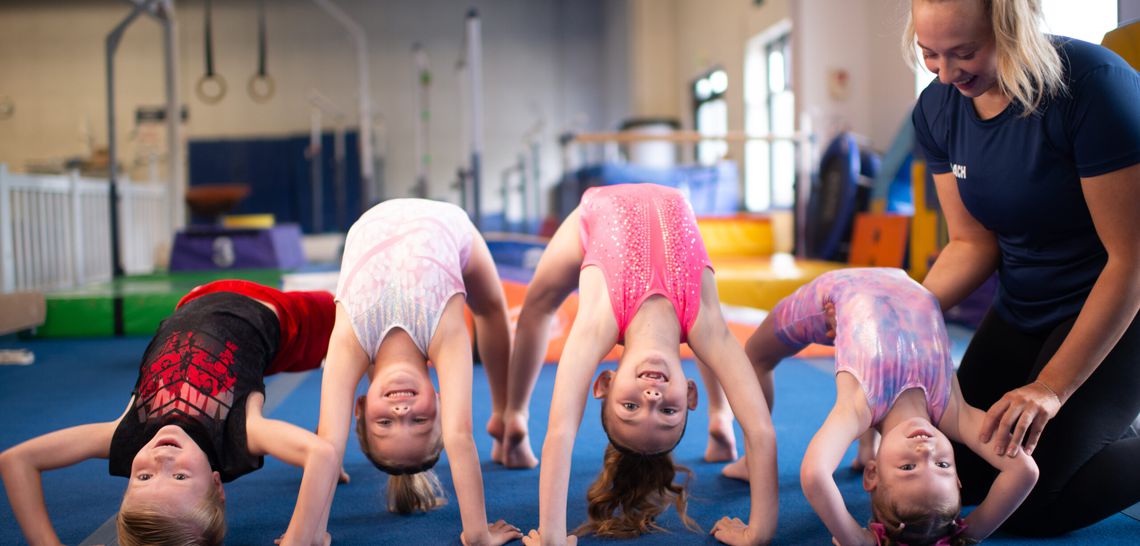
When parents think about gymnastics, they often picture flips, balance beams, and incredible physical strength. However research suggests that gymnastics may be doing much more than building athletic skills. It may also be helping children develop stronger cognitive abilities that support learning, focus, and academic success.
At the Y, this is something we see every week in our Kindergym classes, kids building confidence and coordination while having fun. But the science behind it goes deeper than most parents realise.
Two comprehensive studies add to a growing body of evidence showing that gymnastics can positively influence children's brain development, particularly in areas related to memory, attention, and executive functioning.
Gymnastics and the Brain: More Than Just Physical Activity
Unlike many traditional forms of exercise, gymnastics requires children to constantly coordinate movements, maintain balance, remember sequences, monitor body position, and adapt their actions in real time. Researchers refer to this as a "cognitive-motor" activity because it challenges both the body and the brain simultaneously.
This combination appears to create unique opportunities for cognitive development during childhood, a period when the brain is rapidly growing and forming new neural connections.
Study 1: Gymnastics Improves Spatial Working Memory
In a 2017 study published in Medicine & Science in Sports & Exercise, researchers examined whether an eight-week gymnastics program could improve spatial working memory in children aged 7 to 10. Spatial working memory is the ability to temporarily store and manipulate visual and spatial information. It plays an important role in activities such as mathematics, problem solving, reading maps, and understanding relationships between objects in space.
The study involved 44 children, with one group participating in gymnastics training twice a week for eight weeks. After the program, researchers found:
Importantly, the improvements were observed not only in behaviour but also in neurophysiological measurements of brain function, suggesting genuine changes in how the brain processed information.
The researchers concluded that even a relatively short gymnastics program can have a meaningful positive impact on children's spatial cognition.
Study 2: Young Gymnasts Show Stronger Memory Skills
A more recent 2024 study compared 176 children aged 10 to 12, including gymnasts, soccer players, and non-athletes. The researchers assessed a broad range of cognitive abilities, including memory, attention, executive functions, and intelligence.
While soccer players demonstrated strengths in attention and cognitive flexibility, gymnasts showed several notable cognitive advantages:
The study concluded that participation in sport, including gymnastics, is associated with measurable cognitive benefits during late childhood, one of the most important periods for brain development.
Why Might Gymnastics Be So Effective?
The findings make sense when you consider what gymnastics demands from young athletes every day.
Gymnasts must:
These activities constantly engage working memory, attention systems, and executive functions, the same cognitive skills children rely on in the classroom.
Researchers also suggest that physical activity may support brain health by increasing neuroplasticity, helping the brain build and strengthen neural connections.
What This Means for Parents
While no single activity guarantees academic success, the evidence suggests that gymnastics offers benefits that extend well beyond physical fitness.
Children who participate in gymnastics may be developing:
Perhaps most importantly, gymnastics provides these benefits while children are active, engaged, and having fun, something we see firsthand in our Kindergym and Skills Holiday Camps at the Y.
The Bottom Line
The latest research paints a compelling picture: gymnastics is not only training young bodies, it's helping develop young minds. From improving spatial working memory in younger children to strengthening memory and cognitive performance in pre-adolescents, gymnastics appears to offer meaningful cognitive advantages during some of the most important years of brain development.
For parents looking for an activity that supports both physical and cognitive growth, gymnastics may be one of the best investments they can make in their child's future and it's one your child can start right here at the Y.
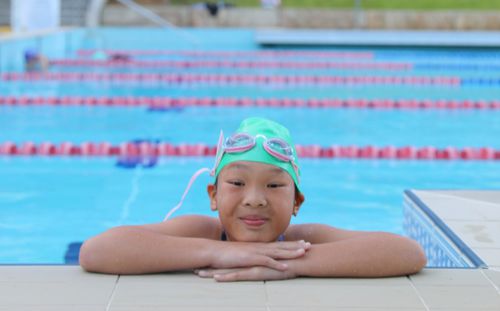 Taking the Plunge: How Nervous Beginners Became Confident Swimmers
Two squad participants from the Y Ku-ring-gai Fitness and Aquatic Centre share how they have overcome their fears, gained confidence, and developed new skills with the guidance of Y NSW swim instructors.
Read the post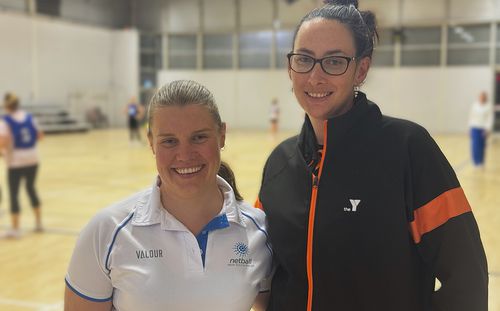 A lasting legacy from Jacqui’s first whistle
Fifteen years ago, Jacqui Osborne began umpiring netball games at Ryde Community Sports Centre. Since then, she has seen the centre grow into a cornerstone of the local sporting community.
Read the post Spring Into Fitness: Why Now Is the Perfect Time to Start Moving Again
Starting a fitness journey can feel overwhelming, but the right environment can make all the difference.
Read the postUpdate your browser to view this website correctly. Update my browser now