
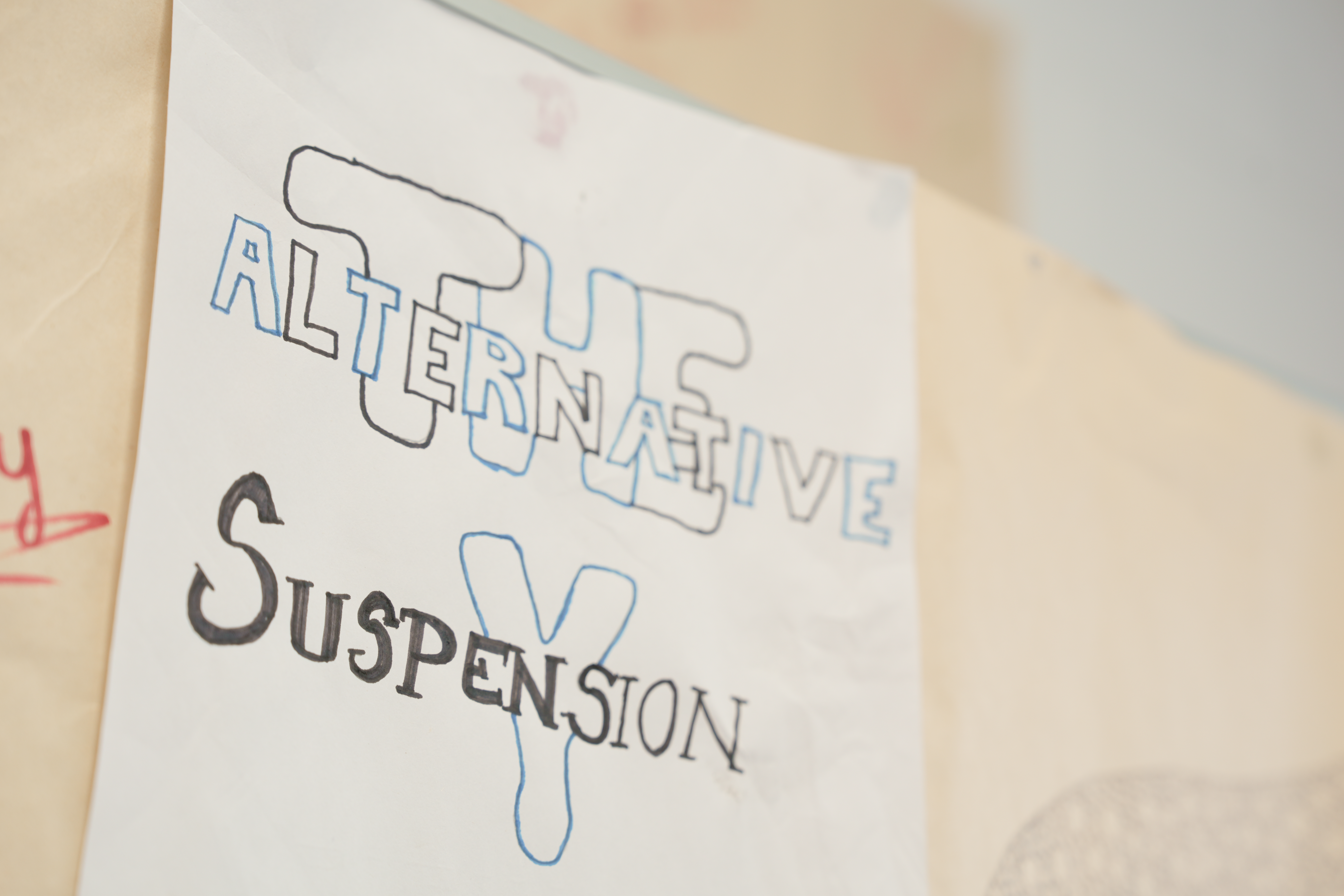
Backed by strong outcomes data, the Alternative Suspension program is helping students stay connected to learning and build brighter futures. Participants are returning to school more engaged, better supported, and equipped to navigate challenges.
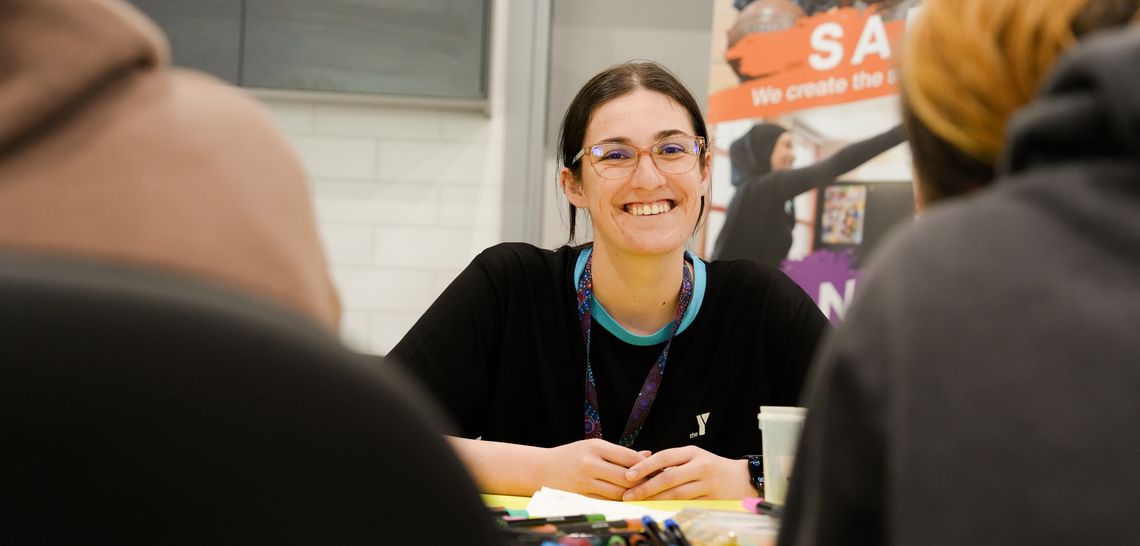
Before participating in the Alternative Suspension program, Ivy* had disengaged from education and lost count of the number of times she had been suspended. Since immersing herself in the program, she has formed goals for the future and found trusted adults to connect with. She said the program changed her life.
“I believe I have a future. When I came here, I was very lost and I definitely do not think that I would be here today without some of the people that helped me along the way,” Ivy said.
“When I first started, I wasn’t really the best at cooperating and I didn’t necessarily listen to the rules, getting myself in trouble a few times. But, after I established connections with some of the people and my respect grew, I slowly became more and more connected and realised these people actually care for me.”
The Alternative Suspension program works alongside schools, families and local services to support young people during a suspension from school. It gives young people time, trusted relationships, and practical support to address the issues sitting behind disengagement, while staying connected to education and working towards a positive return to learning.
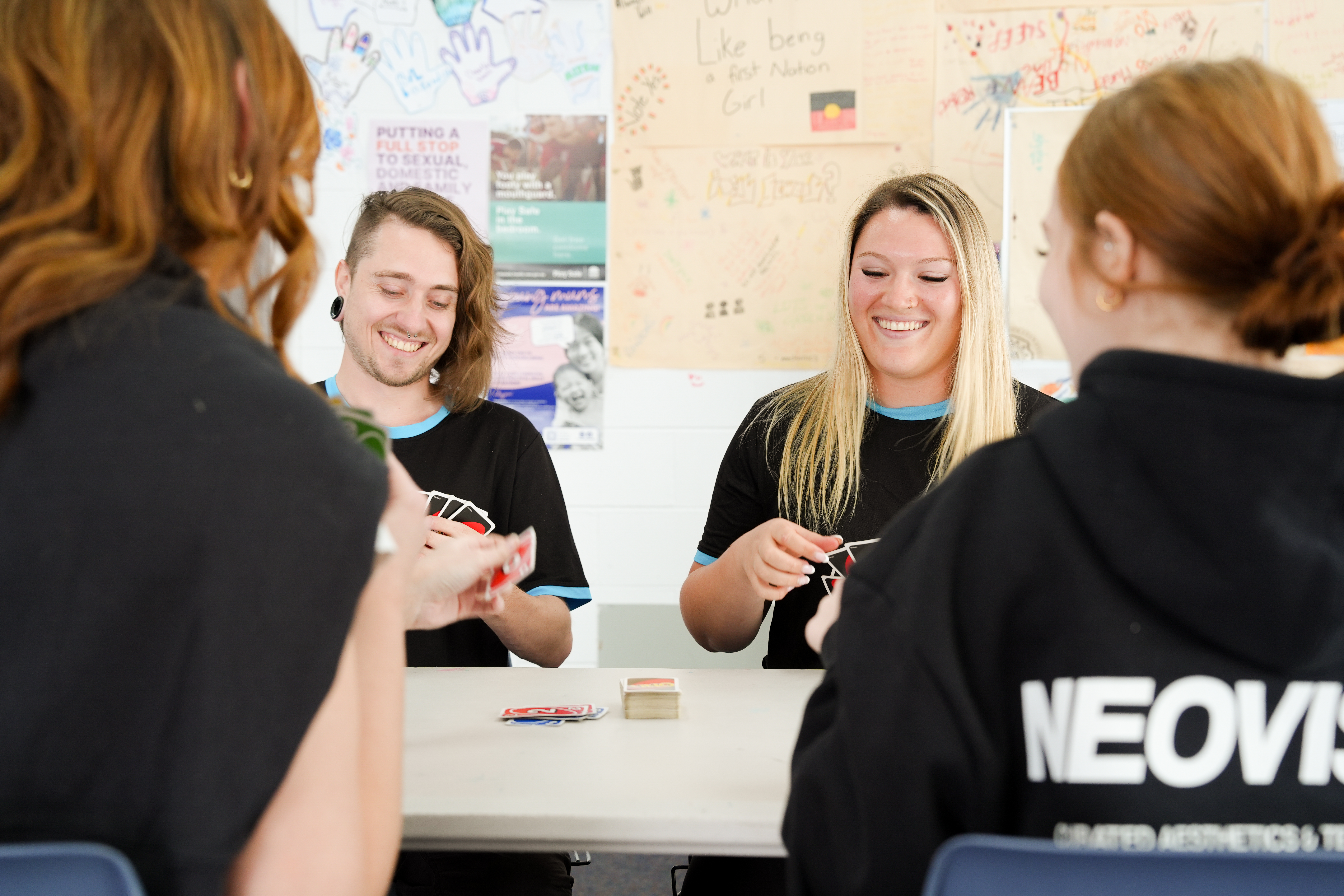
Gorokan High School Principal Matthew Boake said the decision to suspend children from school is not made lightly.
“The behaviours that can often be seen in a child at risk of suspension can be low level and repeated defiance right through to significant behavioural escalations caused by the inability to regulate themselves. That can present as a danger to themselves or a danger to others,” he said.
Broken Hill High School Deputy Principal Adam Rhodes agreed the challenges faced by all stakeholders within a school when a child is at risk of suspension are significant.
“With the [Alternative Suspension] program coming in, it allowed us another option. I think at times, the students got into that cycle where they felt like it didn’t matter and they were just going to go home and play video games. But with the program coming into place, it meant that we could allow for the continuity of learning for the students,” he said.
“We’ve found when students have returned back to school after engagement with the Alternative Suspension program, they have been more settled in the classroom, which has had a positive effect on not only them, but also the teachers and the students in the class.”
The transformation stems from the connection and trust that youth workers build with participants.
"After leaving the program, I hope that a young person carries with them a realisation of their own self potential and know that they can do things they might not have initially thought they could do," said youth worker Isabella Halpin.
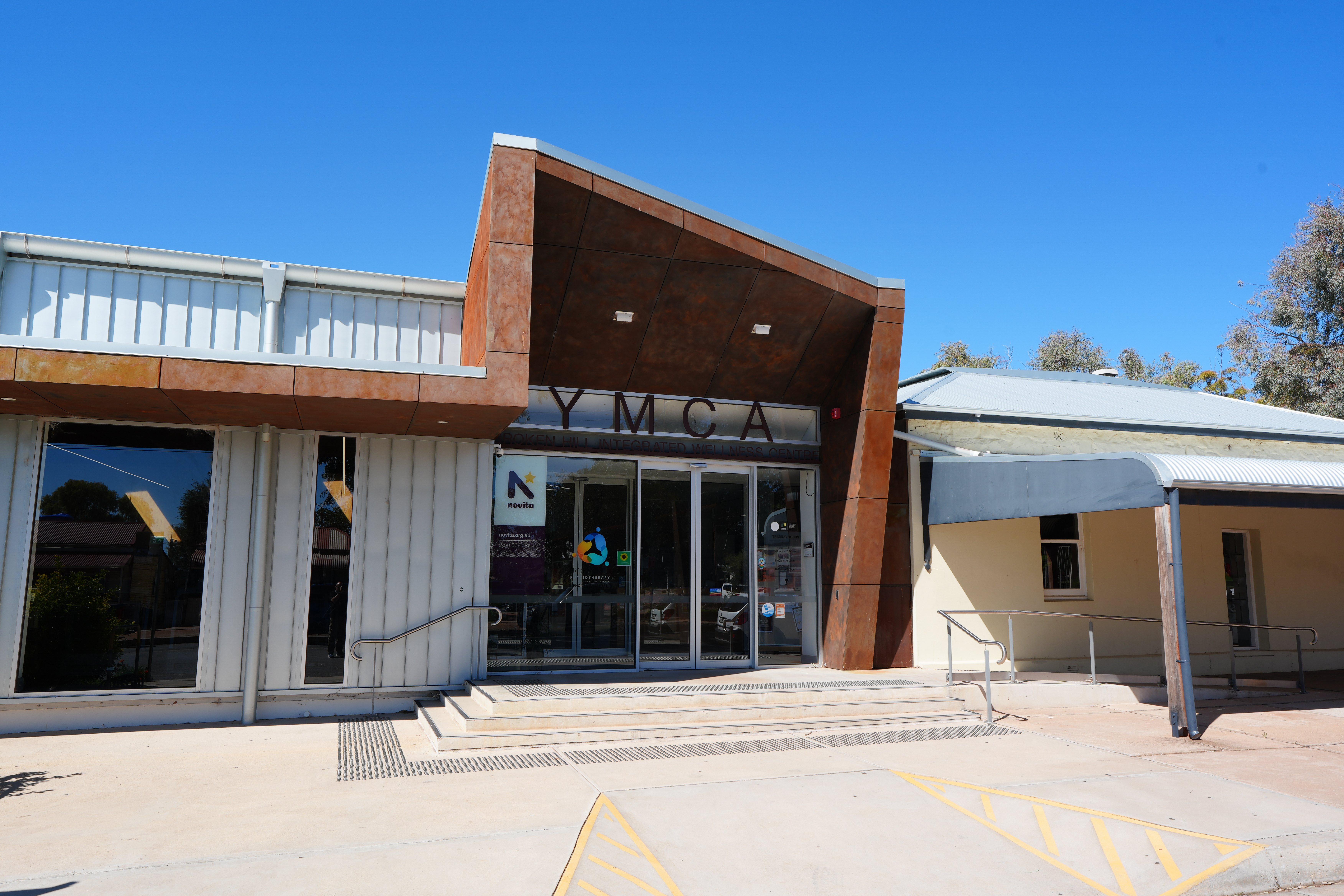
Youth Program Coordinator Sarah Hinton explained that when a young person presents with challenging behaviour, there are often other factors at play. Youth workers ensure each participant experiences the program in a way that works for them.
“Our days are quite flexible depending on the day and depending on the behaviours of the young people,” she said.
“The one way I build trust and rapport with them is by creating a welcome and safe environment and creating a space that allows open-ended conversations to happen.”
Across New South Wales, 664 young people attended the program between February 2023 and June 2026. At the three-month follow-up, a sample of 110 participants found 59 per cent had not received a further suspension, disciplinary sanctions reduced by 44 per cent, and engagement with learning improved by an average of 30 per cent.
A separate analysis of 228 participants also found improvements in physical violence, verbal abuse, bullying, disruptive behaviour, and absenteeism.
The Y NSW General Manager, Young People Services, Marta Vasquez, said the program has shown what is possible when young people have the right support around them.
“We are deeply grateful to our generous funding partners and to every school, local service, community organisation, and family that has stood behind this program to date. Their support has given young people a chance to reset, reflect, reconnect, and see a positive way forward,” Ms Vasquez said.
“It is through that shared commitment that Alternative Suspension has been able to make a real difference in communities across NSW. We know schools cannot do this work alone, and neither can families. That is why the Y NSW seeks to support the work they are already doing.
“The next step that's needed is sustained NSW Government investment, so that Alternative Suspension can continue supporting schools and young people. This is an investment not only in students, teachers and school communities, but in the future of NSW. When young people stay connected to learning, they have stronger pathways into further education, work and positive participation in their communities.”
The Y NSW recommends that the NSW Government expand access to the evidence-based Alternative Suspension program across metropolitan, regional and rural communities as part of a broader early intervention response to youth justice.
Michelle Zahra, the Head of Origin Foundation – one of the program's funding partners - recently visited the Alternative Suspension program in Broken Hill to meet with local school leaders and see the positive impact the program is having in the community.
“Hearing from them about improved behaviours, students that are re-engaging with education, and coming back to school positive about their futures is something that has stayed with me,” Ms Zahra said.
“My hope for the future of the Alternative Suspension program is that more young people can access the support they need to reconnect with their learning, regardless of their personal circumstances or where they live. This is core to the Origin Foundation’s purpose of creating brighter futures through education.
“Often, it's about creating a circuit breaker at a critical point in time for a young person and helping them to see that one difficult period does not have to define their future.”
This is embodied by Ivy, who has now decided what she wants to do with her future.
“My goals when I started were definitely very low, but now they have turned into wanting to work at the Y. I want to help children who have struggled and who don’t necessarily think they can get back on their feet,” she said.
The Y NSW has partnered with Eureka Benevolent Foundation, Matana Foundation for Young People, Origin Foundation, The Kimberley Foundation, and Westpac Foundation to expand the Alternative Suspension program’s positive impact.
Find out more about the Alternative Suspension program on our webpage here.
*Participant’s name has been changed for safety and privacy.
 Emma Nedov on Finding Confidence One Step at a Time
Long before representing Australia at the Olympics, Emma Nedov was a young gymnast discovering her love of the sport at the Y Epping. Read how a childhood gymnastics class became the foundation for an extraordinary career.
Read the post Team Building Beyond the Boardroom: Why Your Next Networking Event Should Be on the Court
The best team building often happens when people stop talking about teamwork and start experiencing it.
Read the post Why Major Sporting Events Matter for the Next Generation
Major sporting events do more than showcase elite competition. They inspire the next generation to get active, build confidence and discover a lifelong love of sport.
Read the postUpdate your browser to view this website correctly. Update my browser now