

With extensive experience, Graham has helped countless people recover from injury safely and confidently.
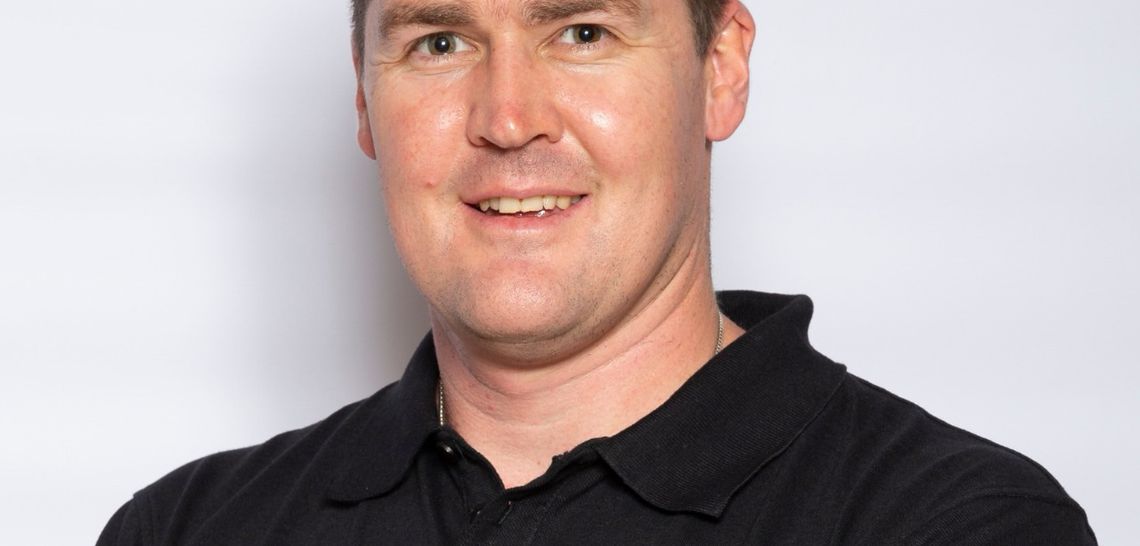
Whether you're an elite athlete, a weekend warrior, or someone who simply enjoys staying active, injury can be both physically and mentally challenging. The frustration of sitting on the sidelines often leads people to rush their recovery, but according to Graham Hatch, Centre Manager of the Western Sydney University Gyms, patience and consistency are often the keys to a successful return.
Drawing on his extensive experience in sports performance, rehabilitation, health promotion, and fitness management, Graham has helped countless people navigate the road back from injury safely and confidently.
His advice is simple: recovery isn't just about getting back to where you were before. It's about giving your body the best opportunity to heal, rebuild, and perform again.
1. Trust the Process and Follow Professional Advice
One of the most common mistakes people make during recovery is abandoning their rehabilitation plan too soon or trying to create their own.
As Graham explains:
"Headaches don't go away if you don't take the medicine. Injuries don't recover optimally unless you appropriately move and load them."
Whether you're working with a physiotherapist, exercise physiologist, sports physician, or another healthcare professional, their recommendations are designed to help you recover safely and effectively.
Recovery is rarely a one-way conversation. Graham encourages people to actively communicate with their healthcare team, provide feedback on how they're feeling, and ask questions about what comes next.
Understanding your goals at each stage of rehabilitation can provide clarity, motivation, and confidence.
"Get clear goals from the person guiding you," Graham says. "Knowing what you need to achieve before progressing to the next stage helps ensure you're moving forward at the right pace."
2. Remember: Slow is Fast, and Fast is Slow
When you're eager to return to training, sport, or everyday activities, taking things slowly can feel frustrating.
However, Graham warns that trying to shortcut the rehabilitation process often has the opposite effect.
"Slow is fast, and fast is slow."
Each phase of rehabilitation builds on the one before it. Skipping steps or progressing before your body is ready can increase the risk of setbacks, pain, or even re-injury.
While it can be tempting to test yourself before you've completed all the required stages, successful recovery requires patience.
Think of rehabilitation like building a house. If the foundations aren't strong, the structure above them won't last. Taking the time to rebuild strength, mobility, stability, and confidence properly often leads to a smoother and more sustainable return to activity.
3. Don't Compare Your Recovery to Anyone Else's
In today's world of social media highlights and online advice, it's easy to compare your recovery journey to someone else's.
Graham believes this can be one of the biggest barriers to both physical and mental recovery.
"No two injuries are the same. Everyone experiences their injury journey differently."
Even injuries with similar diagnoses can vary significantly depending on a person's age, fitness level, training history, lifestyle, and overall health.
Professional athletes often have access to extensive support teams, specialised treatment, and recovery resources that most people don't. Similarly, influencers sharing recovery advice online may not fully understand your specific circumstances.
Instead of focusing on how quickly someone else is progressing, focus on your own rehabilitation plan and the milestones that matter to your recovery.
Your journey is exactly that: yours.
4. Celebrate the Small Wins
Recovery can feel overwhelming when all you can think about is getting back to playing your sport, lifting a certain weight, or returning to competition.
But Graham believes the most successful recoveries happen when people learn to recognise and celebrate incremental progress.
"People often miss the small changes because they're focused on what they still can't do."
Maybe you've regained a full range of motion. Perhaps you're able to complete an extra set, lift slightly more weight, or walk pain-free for longer than you could last week.
These achievements might seem small in isolation, but they are valuable signs that your body is adapting and recovering.
Rather than comparing yourself to your pre-injury performance, compare yourself to where you were yesterday, last week, or last month.
Every small improvement is a step closer to your goal.
Recovery Is a Journey, Not a Race
Injury recovery requires more than physical healing. It demands patience, consistency, trust, and resilience.
By following professional advice, respecting the rehabilitation process, avoiding comparisons, and celebrating progress along the way, you'll give yourself the best possible chance of returning stronger and more confident.
As Graham Hatch reminds us, successful rehabilitation is not about rushing back as quickly as possible. It's about building a recovery that lasts
About Graham Hatch
Graham Hatch, Centre Manager, Western Sydney University Gyms
Graham Hatch leads operations across the Western Sydney University Gym facilities at Kingswood and Hawkesbury campuses on behalf of YMCA NSW. He brings a unique blend of expertise in sports performance, rehabilitation, health promotion, and fitness facility management, supported by a genuine passion for helping people achieve their health and wellbeing goals. Through his work, Graham is committed to empowering individuals to move well, recover effectively, and build lifelong healthy habits.
Ready to Get Moving Again?
Whether you're recovering from an injury, returning to exercise after time away, or looking for professional support on your health and fitness journey, the team at the Western Sydney University Gyms is here to help.
Visit WSU Gyms at Kingswood or Hawkesbury and take the next step towards a stronger, healthier you.
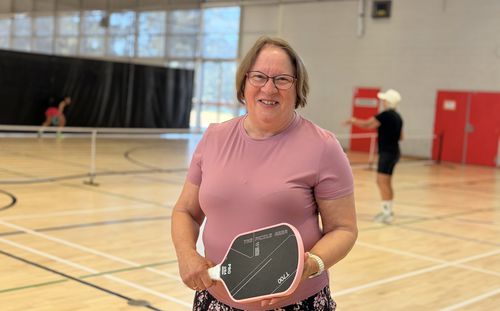 From Pickleball to PrYme Movers: Staying Active at The Y Ryde
From pickleball to PrYme Movers, The Y Ryde is bringing people together through sport, fitness and community. Participants of all ages are improving their wellbeing while building meaningful connections.
Read the post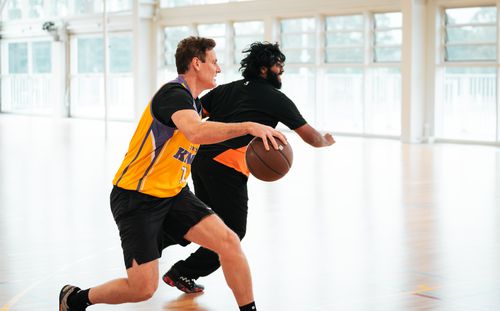 Why Major Sporting Events Matter for the Next Generation
Major sporting events do more than showcase elite competition. They inspire the next generation to get active, build confidence and discover a lifelong love of sport.
Read the post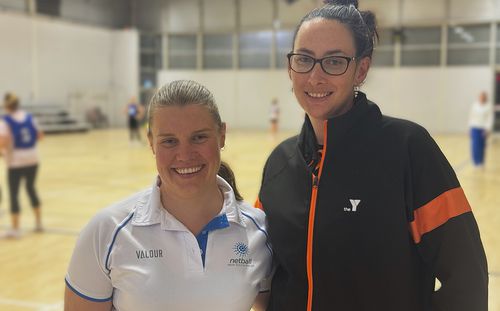 A lasting legacy from Jacqui’s first whistle
Fifteen years ago, Jacqui Osborne began umpiring netball games at Ryde Community Sports Centre. Since then, she has seen the centre grow into a cornerstone of the local sporting community.
Read the postUpdate your browser to view this website correctly. Update my browser now