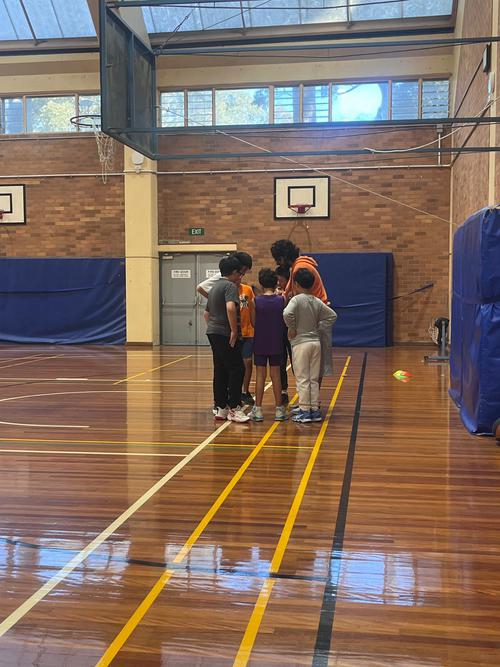
Practice Makes Progress: Why Repetition is the Secret to Basketball Success
When parents watch a basketball training session, they might notice something interesting: players often practise the same skills over and over again.
Dribbling drills. Passing drills. Footwork exercises. Shooting from the same spot.
While it may look repetitive, there's a powerful reason coaches keep returning to the fundamentals. Repetition is one of the most important tools for helping young athletes build confidence, improve performance, and develop a lifelong love of physical activity. Research from the Australian Sports Commission highlights that movement skills are developed through ongoing learning and practice, helping children build the confidence and competence needed to stay active throughout life.
⭐Skills Become Stronger Through Repetition
Every great basketball player started with the basics.
Before young athletes can confidently perform skills in a game, they need to practise them regularly in a supportive environment. Repetition helps children develop movement patterns that become more natural over time. The more opportunities they have to perform a skill correctly, the more comfortable and confident they become using it under pressure.
This approach aligns closely with Australia's Physical Literacy Framework, which recognises that physical skills develop progressively through practice, experience, and ongoing participation in movement activities.
⭐Confidence Comes From Competence
One of the biggest reasons children enjoy sport is because they feel capable.
Think about the excitement a child feels when they successfully dribble down the court for the first time or make a shot they have been practising for weeks. Those moments rarely happen by accident. They are usually the result of consistent effort and repetition.
Research in Australian youth sport has found that positive sporting experiences help young people develop confidence, enjoyment, and long-term engagement in physical activity. When children experience success through skill development, they are more likely to remain motivated and continue participating in sport.
At JBA, we celebrate progress, not perfection. Every successful pass, improved dribble, or confident decision contributes to a child's growing belief in their own abilities.
Mistakes Are Part of Learning
Sometimes young athletes become frustrated when they make mistakes.
The reality is that mistakes are an essential part of the learning process.
Whether it's losing control of the ball, missing a shot, or forgetting a movement pattern, each mistake provides valuable feedback that helps players improve. Repetition gives young athletes the opportunity to try again, make adjustments, and keep building their skills.
Learning to persist after setbacks also helps develop resilience, one of the many life skills children can gain through sport. Research exploring positive youth development through sport highlights how well-designed sporting programs support personal growth, problem-solving, and perseverance alongside physical development.
⭐Small Improvements Add Up
One of the most rewarding parts of coaching young athletes is seeing their progress over time.
The improvements may seem small from week to week. A stronger pass. Better footwork. More control while dribbling.
But when these gains accumulate across weeks and months of training, the results can be remarkable.
This long-term approach to development is strongly supported across Australian sport. Rather than focusing only on immediate results, youth sport frameworks emphasise building strong foundations, developing movement skills, and creating positive experiences that support future growth.
How Parents Can Help
Parents play an important role in helping children embrace the learning process.
Here are a few simple ways to support your young athlete:
-
Focus on effort rather than results.
-
Celebrate improvement, no matter how small.
-
Encourage regular attendance and participation.
-
Remind your child that mistakes are part of learning.
-
Keep sport fun and enjoyable.
When children feel supported rather than pressured, they are more likely to remain motivated and continue building their skills over time. Positive coaching and supportive sporting environments are important factors in retaining young people in sport and helping them enjoy the experience.
⭐At JBA, Progress Is the Goal
At Junior Basketball Academy, we know that confidence, skill, and success don't happen overnight.
They are built through consistent practice, quality coaching, and a willingness to keep trying.
Every drill, every repetition, and every training session is an opportunity for young athletes to grow. Whether a child is picking up a basketball for the first time or working towards more advanced skills, the same principle applies:
Practice doesn't make perfect. Practice makes progress.
And progress is where confidence, enjoyment, and lifelong success in sport begin.